

In today’s digital world, having a website isn’t just about creating an online presence; it’s also about keeping it secure from the ever-growing threats on the internet. If you’re running a website, it’s important to know how to protect it from hackers and malicious attacks. That’s where a Web Application Firewall (WAF) comes into play.
But what exactly is a WAF, and how does it keep your website safe? Let’s dive into it in simple terms.
What is a Web Application Firewall (WAF)?
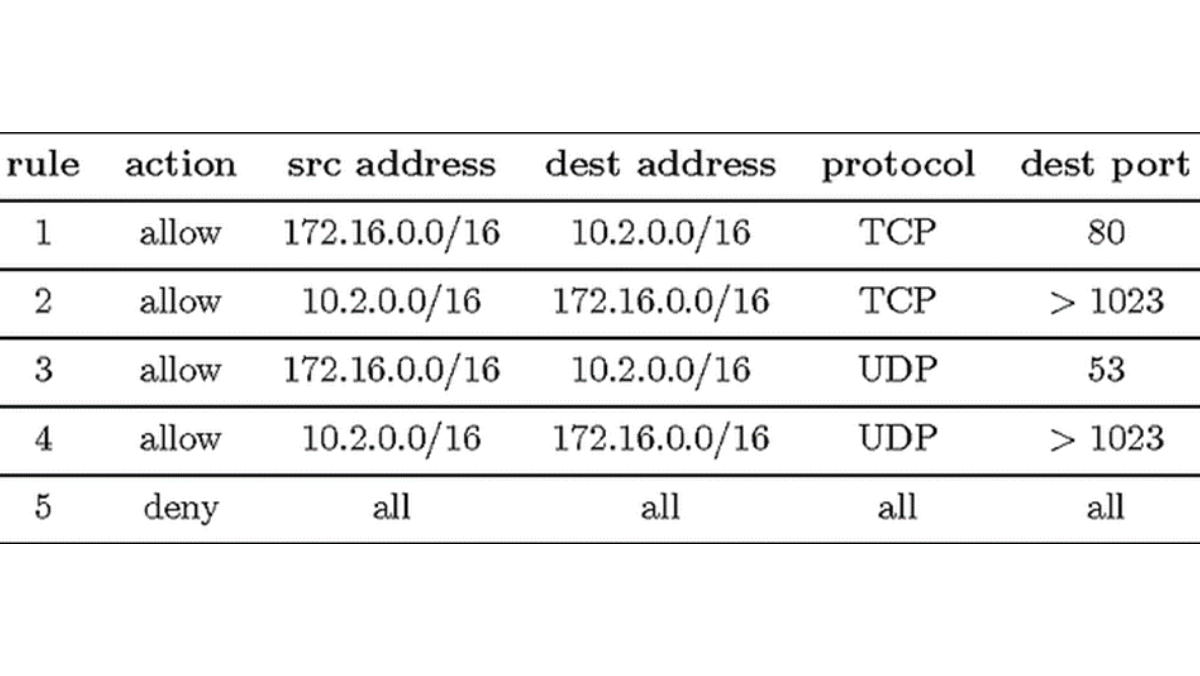

Imagine your website as a castle. The WAF is like a security guard standing at the gate, checking who enters and leaves. When someone tries to access your website, the WAF checks if their actions are safe or if they might be harmful. If it detects something suspicious, like an attempt to steal your data or crash your website, it stops them before they can cause any harm.
Simply put, a Web Application Firewall (WAF) is a security tool that sits between your website and the internet, monitoring incoming traffic to block any threats or harmful activity from reaching your website.
How Does WAF Protect Your Website?

A WAF acts as your website’s first line of defense. Here’s how it helps protect your website:

A WAF constantly analyzes all the traffic that comes to your website. It looks at each request made by users and checks for dangerous patterns or anything that seems out of place. If it finds anything suspicious, it blocks that request before it even reaches your website’s server.
For example, if a hacker tries to input harmful code through a form on your website (known as SQL Injection), the WAF will recognize the threat and block it right away.
- Stops Common Attacks:

There are some very common types of attacks that hackers use to target websites. These include:
- SQL Injection:

This is when a hacker tries to insert malicious SQL commands into a website’s database.
- Cross-Site Scripting (XSS):

Here, an attacker tries to inject harmful scripts into your website, which then get executed when visitors open the page.
The WAF helps stop these attacks by identifying patterns and blocking them automatically, so your website stays safe.


A DDoS (Distributed Denial of Service) attack happens when a website is flooded with an overwhelming amount of traffic, which can cause it to crash. Think of it like a traffic jam that prevents people from getting through. A WAF helps protect your website by identifying and blocking fake traffic before it can bring your site down.
- Protects Sensitive Data:

Websites often collect sensitive information from users, like passwords, credit card details, and personal data. AWAF helps protect this information by blocking attacks that try to steal or expose it.
- Customizable Protection:

A WAF can be customized to suit the specific needs of your website. You can set it to block certain types of traffic, such as requests from specific countries or IP addresses. This means your website gets protection that’s tailored to its unique needs.
Why Do You Need a WAF?

A WAF is an essential tool for anyone who owns or manages a website.
Here’s why:
- Keeps Your Website Safe:
Hackers are constantly trying to break into websites to steal information or cause harm. A WAF helps stop them in their tracks before they can do any damage.
- Builds Trust with Your Visitors:
When visitors know your website is secure, they are more likely to trust you with their personal information. This is especially important for e-commerce sites where people are entering sensitive data like credit card details.
- Improves Website Performance:
A WAF doesn’t just protect your site; it can also help it run more smoothly. By blocking unnecessary or harmful traffic, your server spends less time dealing with threats and more time delivering content to real users. This results in faster loading times and a better user experience.
A hacked or attacked can go down for hours or even days, which can cost you money and damage your reputation. A WAF reduce the risk of your site going offline due to a cyberattack, keeping your business up and running.
Conclusion:

In today’s online world, a Web Application Firewall (WAF) is an essential tool for any website owner. It acts as your website’s first line of defense, protecting you from hackers, malicious bots, and other online threats. By filtering traffic, stopping common attacks, and keeping sensitive data safe, a WAF ensures that your website remains secure, performs well, and builds trust with visitors. So, if you’re serious about your website’s safety, a WAF is a must-have!
Stay protected, stay safe online!